
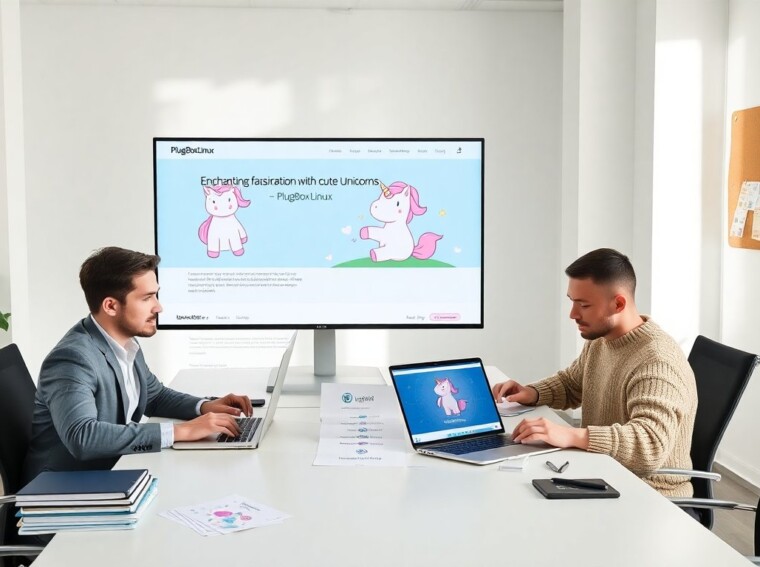
enchanting fascination with cute unicorns plugboxlinux drives curiosity across web users. The phrase connects a nostalgic image to a modern open-source project. Readers will learn why cute unicorns attract attention and how PlugBoxLinux uses that appeal. The introduction sets expectations for practical examples and respectful use guidelines.
Key Takeaways
- The enchanting fascination with cute unicorns captivates users by evoking nostalgia and positive emotions through friendly imagery.
- PlugBoxLinux leverages cute unicorns in its documentation and community features to reduce intimidation and encourage user engagement.
- Unicorn motifs create a welcoming identity in online communities, boosting participation and repeat visits among open-source contributors.
- PlugBoxLinux implements consistent pastel-themed unicorn visuals that enhance usability without compromising performance.
- Respectful use of unicorn imagery requires careful design choices, legal consideration, community input, and optional features to ensure inclusion and clarity.
- Tracking engagement metrics helps PlugBoxLinux optimize its unicorn assets to maintain their positive impact on user experience.
The Psychology Behind The Cute-Unicorn Appeal
People respond to cute images with quick, positive emotion. Cute unicorns combine childhood symbols and bright colors. This mix triggers simple reward pathways in the brain. Scientists link rounded shapes and large eyes to feelings of safety and care. Marketers use that link to increase attention and sharing. Fans project positive traits onto unicorns, such as playfulness and hope. The image of a unicorn offers a clear, optimistic cue. Designers use those cues to make interfaces feel friendly. PlugBoxLinux benefits when users see friendly imagery in documentation or promotions. The cute-unicorn cue makes technical content feel less intimidating.
How Cute Unicorns Thrive In Online Communities And Fandoms
Communities adopt cute unicorns as shared icons and memes. Members post art, stickers, and short videos that feature unicorns. The shared content builds a simple group identity. Fans use unicorns to mark in-jokes and shared values. Platforms like forums and microblogs amplify this content with reactions and reposts. Community leaders add unicorn motifs to badges and avatars. That practice increases belonging and repeat visits. Open-source groups use mascots to lower the barrier for new contributors. Cute unicorns work especially well because they carry low controversy and wide appeal. When members feel safe, they contribute code, designs, and guides more often.
PlugBoxLinux’s Creative Use Of Cute Unicorns
PlugBoxLinux adds cute unicorns to documentation, themes, and social posts. The project keeps imagery simple and consistent. The team chooses pastel palettes and clear shapes to match usability goals. They avoid clutter and maintain fast page loads. The unicorn assets serve as friendly signposts inside the distro and its website. These assets reduce friction for new users. The project also uses unicorns as event mascots. That choice draws hobbyists who care about both design and code. PlugBoxLinux tracks engagement metrics and adjusts assets based on reader response.
Examples And Practical Use Cases In PlugBoxLinux
PlugBoxLinux uses unicorn icons for help sections and beginner guides. The icons mark concept steps and make tutorials easier to scan. The distro offers a unicorn-themed live image for community events. Contributors add unicorn stickers to release notes and social banners. The team bundles small unicorn wallpapers with the installer image to welcome new users. In community chats, moderators use unicorn emoji to reward helpful posts. The project also includes a simple unicorn mascot package that users can install. That package adds avatars to forums and light themes to the desktop. These uses increase visibility and invite playful contributions without distracting core functionality.
How To Incorporate Cute Unicorns Respectfully In Your Project
Teams should set clear rules for using unicorn imagery. They should choose images that avoid cultural missteps. Designers should prefer original or licensed artwork to prevent legal issues. Developers should optimize images to keep performance high. Leaders should ask the community before adding mascots to official materials. They should offer optional theme packages so users can opt out. Projects should avoid using unicorns to cover poor user experience. They should use imagery to support clear instructions and helpful labels. Teams should track metrics like downloads and forum activity after they add mascots. They should remove or revise assets that cause confusion. Finally, projects should credit artists and respect contributor requests.
