
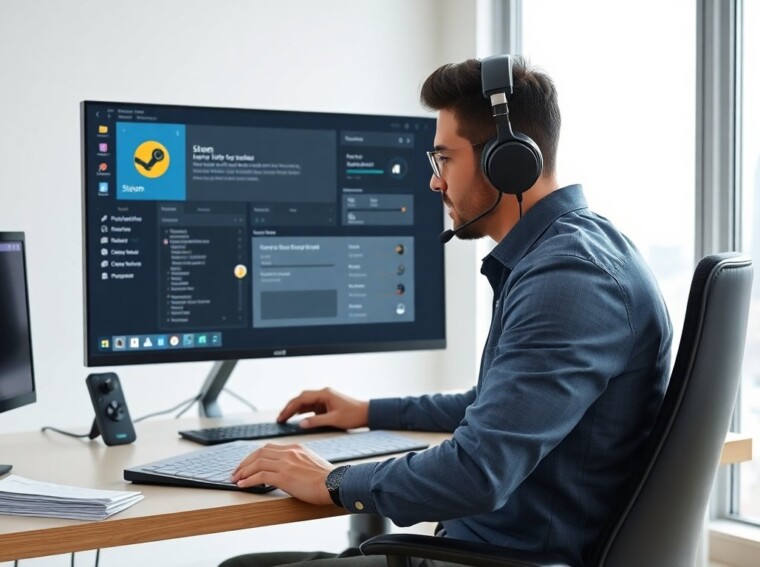
games plugboxlinux appears as a clear option for gamers who want control and low overhead. It offers a lightweight core, current drivers, and a gaming-focused package set. Readers learn how to install games, use compatibility tools, and tune performance. The guide stays direct and practical. It gives steps, commands, and checks a user can follow today.
Key Takeaways
- Games PlugboxLinux offers a lightweight, gaming-focused Linux distribution with current drivers and a curated package repository to maximize gaming performance.
- Installing games on PlugboxLinux is straightforward using familiar tools like Steam, Proton, Flatpak, and Lutris, with easy access to game compatibility features and settings.
- The distribution supports multiple Proton versions with a user-friendly GUI for per-game overrides, enhancing compatibility for both native and Windows games.
- PlugboxLinux provides tools to update GPU drivers, tune CPU and GPU performance modes, and troubleshoot common gaming issues with clear commands and logs.
- Its integration with common game stores and management of game libraries simplifies migrating existing setups and preserves system stability with timely security updates.
- Users can optimize gaming performance by adjusting compositors, managing background services, and following detailed troubleshooting guidance provided by the PlugboxLinux community.
What Makes PlugboxLinux A Good Choice For Gaming
PlugboxLinux gives a small system footprint and a current Linux kernel. It boots fast and uses fewer background services. This design frees CPU cycles and memory for games. The distribution ships recent Mesa and NVIDIA driver support where available. It also includes a curated package repository that focuses on game compatibility and low-latency libraries.
They find the package selection useful. It includes Vulkan, updated OpenGL, and optional low-latency kernels. The distro keeps userland simple so conflicts are rare. It supports common filesystem layouts and preserves user config across updates. Developers test mainline drivers and Proton builds before release, which reduces regressions for popular titles.
For people who value control, PlugboxLinux provides clear system tools. A lightweight GUI helps users manage kernel options and GPU modes without learning deep system internals. The community supplies focused gaming guides and quick scripts for common tasks. Those features make PlugboxLinux a practical base for running modern native and Windows games with minimal extra setup.
games plugboxlinux integrates with common game stores and launchers. That makes it easier to move a Steam library or Lutris setups. The distro offers timely security updates while keeping the gaming stack current. This balance appeals to users who want stability without sacrificing performance.
Installing And Managing Games On PlugboxLinux
They install games on PlugboxLinux using familiar tools and simple commands. The system supports Steam, Proton, Flatpak, and native packages. Users can install official packages from the Plugbox repository or use Flatpak for sandboxed apps. The package manager shows installed sizes and dependencies before installation.
A common workflow starts with enabling the official repository and installing Steam. After that, they log into Steam and let Proton handle Windows titles when needed. The distro includes recent Proton versions in its package set and exposes Proton settings in a small GUI for per-game overrides.
For non-Steam games, users can add Flatpak remotes or install using Lutris. Lutris scripts automate runner selection and environment variables. The system stores game data on a user-configured game partition or external drive to preserve home space. The installer offers an option to set the game directory during initial setup.
games plugboxlinux tracks installed runtimes and recommends cleanup commands to reclaim disk space. It offers a simple backup tool for game saves linked to cloud or local snapshots. They can also pin specific versions of Proton or runtimes to avoid unexpected breaks.
Using Steam, Proton, Flatpak, And Lutris For Best Compatibility
Steam runs natively and uses Proton for Windows builds. They enable Proton per game in Steam Properties. The distro provides multiple Proton versions and a GUI to switch them. This setup reduces trial-and-error and speeds troubleshooting.
Flatpak provides sandboxed native games and tools. Users install Flatpak runners and add the Flathub remote. Flatpak isolates libraries and prevents system file conflicts. PlugboxLinux includes helper scripts to grant Flatpak access to game folders and GPU devices.
Lutris manages installers and runners for emulators and Windows games. They import installers or use community scripts. Lutris lets users set environment variables and launch options per game, which helps with compatibility. The distro packages popular runners like Wine and Wine-staging and keeps them current.
games plugboxlinux recommends using Proton for mainstream Steam titles, Flatpak for sandboxed native apps, and Lutris for complex setups or older titles. This rule of thumb helps users choose the simplest path to run a game reliably.
Performance Tweaks, Drivers, And Troubleshooting Common Issues
They update GPU drivers and kernel modules first. PlugboxLinux ships tools to install the latest Mesa or NVIDIA drivers. Users pick the stable release or the bleeding-edge branch depending on their tolerance for change. The distro provides a rollback option for driver updates.
Next, they tune CPU governor and GPU power profiles. The system GUI exposes performance modes and allows per-application profiles. Users set a high-performance governor for gaming sessions and revert to balanced after play. The distro also recommends setting compositors to a minimal mode or disabling them for fullscreen games to lower input latency.
If a game stutters or drops frames, users check for background services and I/O contention. The distro includes a simple profiler that shows disk and CPU use per process. They clear temporary files, move swap to an SSD, or adjust I/O scheduler to improve throughput. For networked games, they advise checking DNS and disabling heavy background uploads.
When a Windows game fails to launch, users examine Proton logs and Lutris runner logs. The distro adds a one-click toggle to enable debug logging for short tests. Common fixes include installing missing vcruntime or DirectX libraries via Protontricks or adjusting Proton version. For controller issues, they recommend enabling udev rules and verifying SDL mappings.
games plugboxlinux provides a troubleshooting guide that lists quick checks: driver status, kernel version, compositor state, Proton version, and disk health. The guide gives commands for each check and commands to collect logs for community support. This approach lets users solve most problems without deep system knowledge.
