
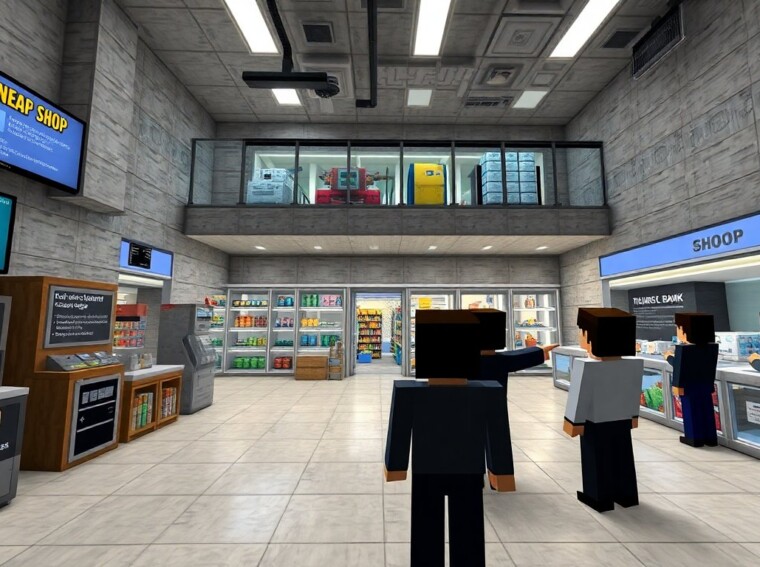
minecraft newtech pineapple shop analysis plgblinux opens this report. The report looks at design, flow, code, and server effects. It gives clear facts and practical notes. It avoids jargon and stays direct. Readers find what matters fast and can act on the findings.
Key Takeaways
- The Pineapple Shop in Minecraft NewTech uniquely integrates modular design and visible NewTech mechanics to enhance player learning and shopping experience.
- Redstone automation combined with NewTech parts streamlines shop operations, reducing staff load and improving service speed and reliability.
- PLGBLinux optimizes server performance and security by isolating NewTech modules, managing CPU usage, and protecting critical shop data.
- Plugins and mods managed by PLGBLinux support dynamic economy features, enabling real-time price adjustments and fostering active community engagement.
- The shop serves as an economic hub that links player activity to server market trends, impacting resource pricing and player goals.
- Regular feedback loops and controlled plugin updates ensure the shop stays adaptive, practical, and responsive to player needs.
What The Pineapple Shop Is And Why It Matters In Minecraft NewTech
The Pineapple Shop sits in a live Minecraft NewTech server. The shop sells items, services, and automated craft results. It attracts players with easy access and visible inventory. The shop matters because it links player time to server economy. PLGBLinux users report steady traffic and repeat customers. The shop drives player goals and shapes resource prices. The shop also acts as a test bed for NewTech mechanics. The store team tracks item turnover and adjusts stock weekly. The Pineapple Shop creates social points for builders and traders.
Build Design, Player Flow, And NewTech Mechanics
The shop uses modular rooms and clear signs. The design places popular items near the entrance. The layout moves visitors from display to trade to exit. The team built wide aisles to reduce mob pathing issues. The design supports NewTech features such as energy conduits and compact machines. The build keeps these systems visible so players learn by watching. The shop uses consistent color coding for resource tiers. This choice reduces confusion and speeds shopping. The team added spectator viewpoints to showcase processes and to teach visitors how NewTech parts link. The store designers test each route to ensure smooth play and low lag.
Redstone Automation And Unique NewTech Features
The shop uses redstone for doors, lights, and alerts. The automation links to NewTech machines for item processing. The shop filters items with item sorters and mod-based hoppers. The team placed safety cutoffs to stop floods and dupes. The shop also uses timed craft queues to balance demand. The players can reserve items via a simple ticket system. The system shows queue positions and estimated wait times. The build logs every transaction to a local data block. The logs let staff spot errors and fix faults fast. The automation reduces staff load and speeds service. Redstone and NewTech parts work together to make the shop efficient.
How PLGBLinux Integrates With The Shop: Performance And Security
PLGBLinux runs the server kernel and handles mod hooks. The platform isolates NewTech modules in their own containers. This isolation reduces crash spread and helps maintenance. PLGBLinux ticks down CPU usage by scheduling heavy tasks at off-peak hours. The platform also logs network traffic and flags spikes. The shop benefits because performance stays steady during peak events. PLGBLinux also applies file-system protections for craft recipes and shop configs. The protections keep data safe from accidental overwrite. The admin team runs weekly backups and quick restores. The team also audits mod files to catch bad patches early. These steps lower the risk of downtime and of item loss.
Plugins, Mods, And Community Impacts On Economy And UX
PLGBLinux supports a mix of plugins and mods. The server runs economy plugins, protection plugins, and NewTech mods. These tools link player accounts to the shop ledger. The plugins handle payments, taxes, and vendor claims. The mods add machines, energy systems, and new materials. The combination changes trade patterns and item value. The community reacts quickly when a mod changes drop rates. The shop staff then adjusts prices and inserts new stock. The admins use plugins to limit exploit attempts and to report suspicious trades. The community shapes the shop through feedback and through buying choices. PLGBLinux makes plugin updates simple, which lets staff test changes on a small scale first. The team posts change notes and invites player trials. Players test new items and give direct input. This loop keeps the economy active and the shop practical.
