
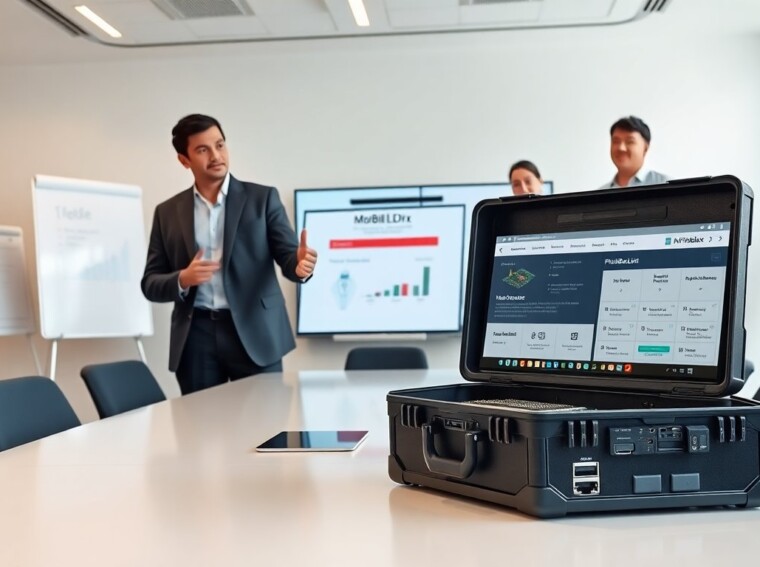
mobilediy minecraft suitcase procure assessment pluboxlnx appears in many project briefs today. The phrase refers to a portable kit that runs Minecraft mods and a PluBoxLnx integration module. This guide explains what each item is, what it does, and why it matters. It gives clear steps for buyers. It lists checks that teams must perform before purchase.
Key Takeaways
- The MobileDIY Minecraft Suitcase is a portable hardware kit that runs Minecraft servers and integrates with PluBoxLnx for seamless cloud and plugin management.
- PluBoxLnx enhances the suitcase by offering plugin compatibility, secure access control, and remote management features essential for interactive demonstrations and workshops.
- Before purchasing, verify hardware specs, software compatibility, security features, warranty, costs, and request testing or demo units to ensure it meets your project needs.
- The suitcase supports various Minecraft server forks like Fabric, Spigot, or Paper, making it versatile for developers, educators, and event teams needing fast setup and mobility.
- A proper setup and maintenance plan includes testing core functions, scheduling updates, backing up data, staff training, and securing reliable vendor support for optimal performance.
What The MobileDIY Minecraft Suitcase And PluBoxLnx Actually Are (And Why They Matter)
The MobileDIY Minecraft Suitcase is a portable hardware kit that runs Minecraft servers and client builds. It packs a small computer, power management, storage, and ports into a case. The PluBoxLnx is a software and middleware module that links the suitcase to cloud services, plugins, and external tools. Together they let teams run demonstrations, workshops, and field builds with minimal setup.
They matter because they reduce setup time and let teams show interactive content in nontechnical locations. Developers use the suitcase to test mods. Educators use the suitcase for classroom labs. Event teams use the suitcase for pop-up stations. PluBoxLnx matters because it handles plugin compatibility, access control, and data sync. Teams gain mobility, faster demos, and a predictable baseline for troubleshooting.
Key Features, Compatibility, And Real-World Use Cases
The suitcase offers features that teams expect. It provides an ARM or x86 board, 8–32 GB RAM, SSD storage, a UPS, and HDMI and Ethernet outputs. It includes mounting points and a faned chassis. PluBoxLnx adds a plugin manager, an API gateway, and a web UI for remote control. It also adds secure tunnels for cloud backups.
Compatibility depends on OS and plugin versions. PluBoxLnx supports Linux distributions and common Java runtimes. It supports many Minecraft server forks when developers add adapters. Teams should confirm support for Fabric, Spigot, or Paper builds.
Use case: an outreach team brings the suitcase to a library. They set up in 10 minutes and run a workshop. Use case: a mod developer loads a new snapshot and uses PluBoxLnx to sync logs to a CI server. Use case: a retailer demos custom maps on the sales floor. Each use shows mobility, fast setup, and controlled environments.
Procurement Assessment Checklist: What To Verify Before You Buy
Verify hardware specs. Confirm CPU type, RAM size, storage type, and battery life. Confirm ports and physical size. Check that the case fits transport rules and that power needs match field locations.
Verify software support. Confirm that PluBoxLnx supports the target server fork and the target Java or runtime version. Confirm update policies and that updates will not break custom plugins. Ask for a compatibility list and an API document.
Verify security features. Confirm that PluBoxLnx offers user roles, encrypted connections, and firmware signing. Confirm default credentials are removed and that remote access logs exist.
Verify warranty and repair. Confirm return windows, on-site repair options, and spare parts availability. Confirm vendor response SLAs.
Verify licensing and costs. Confirm open-source vs commercial components. Confirm ongoing fees for PluBoxLnx cloud features. Ask for a total cost of ownership estimate that includes cloud, support, and replacement parts.
Verify testing and demos. Request a loaner or demo unit. Run the suitcase with your plugins and data. Confirm that PluBoxLnx integrates with your CI or backend systems.
Setup, Testing, Maintenance, And Ongoing Support Considerations
Follow a simple setup plan. Unpack the suitcase, attach power, and connect display and network. Boot the unit and log into the PluBoxLnx web UI. Apply the vendor baseline image if present.
Test core functions. Start a local server and run a sample map. Test plugin load and measure startup time. Run network tests and latency checks. Schedule a stress test that simulates peak users. Log errors and collect crash dumps.
Create a maintenance plan. Schedule firmware and PluBoxLnx updates in a staging environment. Back up server worlds and configuration to an external location and to cloud sync. Rotate storage media on a predictable cadence.
Train staff. Give operators a short checklist to start and stop the unit. Teach a small troubleshooting flow: check power, check network, check logs, roll back to a known working image.
Plan support. Buy a support plan that covers next-business-day parts and priority bug fixes if the suitcase is production-critical. Keep contact info for vendor support and an internal escalation path. Maintain a simple inventory of spare cables, adapters, and storage modules.
