
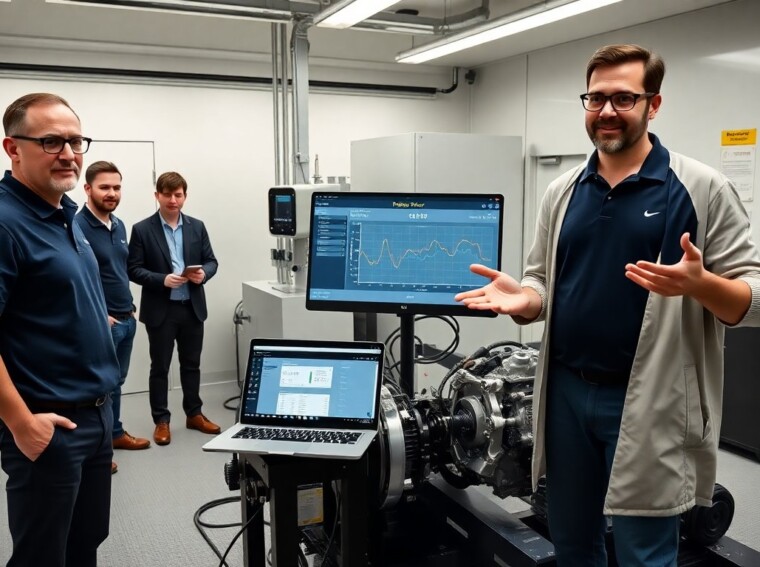
The phrase “beygir power of engines plugboxlinux” appears early in this guide. It links engine power and a Linux toolset. The article explains what “beygir” means. It shows how teams measure engine power. It shows how PlugBoxLinux helps capture and compute power. The text uses clear steps and short sentences. The reader will learn units, conversions, and practical setup tips. The reader will learn calculation methods and calibration checks. The guide stays practical and direct.
Key Takeaways
- “Beygir” is the Turkish term for horsepower, commonly used by engineers to describe engine power output.
- Engine power is calculated from torque and RPM measurements, producing power curves that help analyze engine performance.
- PlugBoxLinux is a Linux-based toolkit that automates engine data capture, processing, and power calculations, improving test accuracy and efficiency.
- Converting beygi r to other units like mechanical horsepower and kilowatts is streamlined with PlugBoxLinux scripts, reducing manual errors.
- Proper sensor calibration, wiring checks, and environmental logging are essential best practices for reliable engine power testing with PlugBoxLinux.
- Installing PlugBoxLinux involves a setup script and configuration file to define sensors, sample rates, and data formats for seamless engine power data capture.
What “Beygir” Means And How It Relates To Horsepower
“Beygir” is a Turkish term that translates to horsepower. Engineers use the term to describe engine output. They use beygi r as a simple way to compare engines. They measure beygi r using power formulas and instruments. The term aligns with mechanical and metric horsepower values. Mechanics often mention beygi r when they discuss older engines. Modern test reports usually use kilowatts and horsepower. Teams convert beygi r to kilowatts for standard reporting. The phrase “beygir power of engines plugboxlinux” ties the translation to a testing tool. Engineers will use that tool name when they automate readings and reports.
How Engine Power Is Measured: Torque, RPM, And Power Curves
Technicians measure engine power from torque and RPM. They record torque at specific RPM values. They compute power by multiplying torque by RPM and a constant. Test rigs sweep RPM to build a power curve. The power curve shows peak power and the power band. Teams use the curve to match engines with loads. They check for drop-offs and irregular shapes that indicate issues. They validate sensor signals and confirm calibration before they trust results. They log raw torque and RPM and then derive power. They store the power curve for trend analysis and comparison across engines.
Common Units And Conversions: Beygir, Mechanical HP, Metric HP, And kW
Technicians convert between beygi r, mechanical horsepower, metric horsepower, and kilowatts. One mechanical horsepower equals 745.699872 watts. One metric horsepower equals 735.49875 watts. Teams convert beygi r to watts using the metric factor when the context is European or Turkish. They convert watts to kilowatts by dividing by 1000. They convert between horsepower standards by applying the relevant constant. For quick checks, they use calculators or simple scripts. PlugBoxLinux scripts can automate conversions as part of data processing. That automation prevents manual math errors and speeds up reporting.
Overview Of PlugBoxLinux: What It Is And Why It Helps Engine Testing
PlugBoxLinux is a Linux-based toolkit for engine data capture. It provides drivers, logging utilities, and analysis scripts. Engineers use it to read sensors, timestamp samples, and store datasets. The toolkit supports common interfaces such as CAN, serial, and USB. It supports real-time streams and batch logging. The software runs on modest hardware and on embedded boards. Teams customize PlugBoxLinux modules to match sensor types and sample rates. The toolset integrates with standard analysis tools and with simple dashboards. It speeds the path from raw sensor data to a validated power curve or a report.
Installing And Configuring PlugBoxLinux For Engine Data Capture
The installer provides a package and a simple setup script. The admin runs the script on a Linux machine. The script installs drivers, logging services, and helper utilities. The admin then edits a small configuration file. The file declares sensor channels, sample rates, and data formats. The admin sets the device paths and log directory. They set time sync to a GPS or NTP source. They run a short test capture and review sample logs. They confirm that sensor units match expected types. Once the test passes, they start full captures for a test run.
Using PlugBoxLinux To Calculate Engine Power From Sensor Data
PlugBoxLinux reads torque and RPM channels and timestamps each sample. The tool applies a simple formula to compute instantaneous power. The tool multiplies torque by RPM and the constant 2π/60 to get watts. The tool then converts watts to desired units such as beygi r or kilowatts. The tool bins samples and creates a power curve. Users can script smoothing or interpolation steps to clean noisy data. The system exports CSV and JSON files for reporting. The export includes peak power, power band, and statistics for comparison across runs.
Troubleshooting, Calibration Tips, And Best Practices For Accurate Results
Technicians check sensors before each run. They verify torque calibration against a known standard. They verify RPM with a calibrated tachometer. They confirm sampling rates and timestamp alignment. If readings drift, they re-zero sensors and rerun a calibration routine. They inspect wiring and connectors for noise and intermittent contacts. They use short cable runs and shielded cables when possible. They record ambient conditions and note them in the log. They run a baseline test to confirm repeatability. They keep a change log of software and hardware updates to explain any result differences.
